Baidu Short URL
Practical and convenient Baidu short URL tool
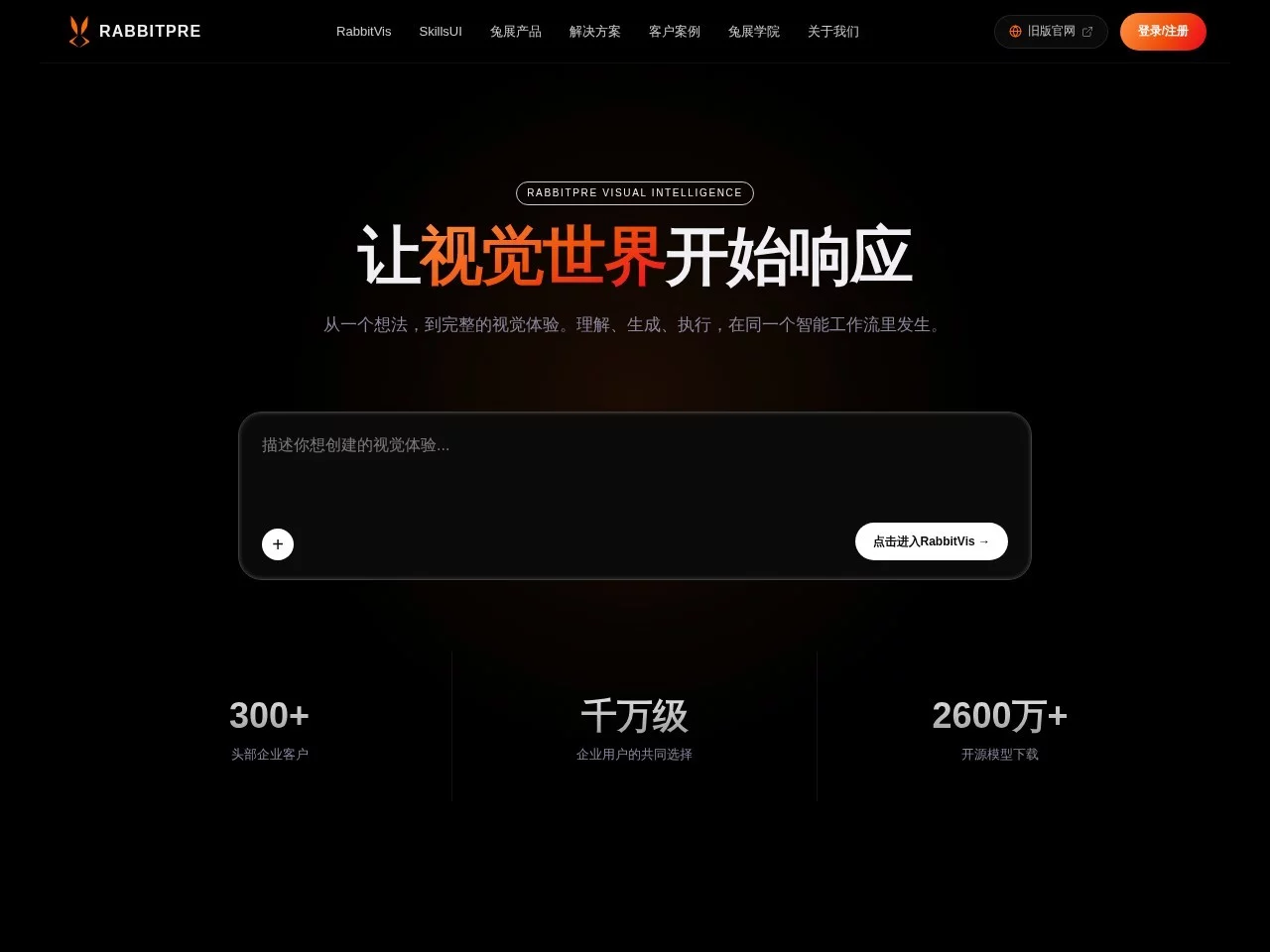
 Rabbitpre
 is a marketing and promotion tool suited to beginners and small teams.
Official website: https://www.rabbitpre.com/
I used to handle WeChat marketing and promotion for a small company and stumbled into plenty of pitfalls with various tools: some had passable templates but charged extra for interactive features, while others locked detailed statistics behind a membership. After much fiddling, the results still fell short. It was only when I came across Rabbitpre that I discovered how much an all-in-one tool like this can smooth things out.
Newcomers, especially first-timers, tend to run into several pitfalls. For instance, on first entering, people often assume all templates cost money — the free section is tucked away at the very bottom of the category bar, and finding H5 and campaign templates takes quite a bit of scrolling. It’s also easy to assume it only handles H5, without realising the Mini Program entry is hidden in the top navigation bar rather than fixed within the H5 section. When setting up a lucky draw, people often forget to configure the trigger rules — without binding it to WeChat Official Account follows, you only find out after launch that users can’t enter the draw, wasting the better part of a day. Even the statistics are hard to locate at first; I later learned they sit in the dropdown menu under ‘Campaign Management’, not on the H5 preview page — details that are all too easy to miss.
Rabbitpre’s most practical core value isn’t simply building H5 pages — it’s bridging content production and marketing campaigns. Within a single dashboard, you can complete the whole workflow from page building to interactive campaign setup, with no need to hop between platforms. For example, when promoting a new product, I built the H5 product introduction page first, then — without exporting anything — added a boost campaign directly in the same dashboard, setting the number of invites and the reward rules. The entire campaign had a single unified entry: users could view the content and join in the interaction. Changing rules or tweaking content didn’t require switching screens either, which saved a small team a good deal of time on communication and operations.
As for feature details: for campaigns involving short videos, Rabbitpre’s asset library offers plenty of ready-made clips you can drag straight onto the page, and you can set when playback is triggered — for instance, only starting once the user swipes to a particular spot — so there’s no need to edit videos yourself. The lucky draw and boost components are simple to operate: you can set winning rates, hand out prizes automatically, and restrict boost conditions, such as requiring participants to be new users. None of this needs any coding — just drag and drop components to make changes. The basic features of the free version are enough for everyday marketing needs, so there’s no need to buy a membership from the start. Once, I had to change campaign rules at short notice; other tools would have required regenerating the link, but with Rabbitpre I edited it in the dashboard and it synced right away — the page users opened updated automatically, sparing me the trouble of sending a fresh notice.
Compared with the similar tools I’d used before, Rabbitpre’s advantages stand out. Other platforms charge separately for interactive campaigns, and most of the animations in their templates are fixed, with no way to adjust the pacing, whereas the element animations in Rabbitpre’s free templates (such as fades and slides) let you adjust the duration. What’s more, many platforms’ free versions only show a vague participation count, while Rabbitpre’s free version reveals the details — such as which users boosted and which pages had higher click-through rates — and this data helps optimise later campaigns. For instance, in one campaign I ran, the data showed users spent the longest time on the product introduction page, so I concentrated later campaigns on refining that page’s content, and the results did improve considerably.
After using it a few times, I’ve put together a few practical tips for dodging pitfalls:
As for who it’s for, Rabbitpre isn’t a high-barrier tool — basic computer skills will do, and no coding knowledge is needed. Operations staff at small companies, individuals running campaigns, and newcomers to marketing promotion can all use it. If you need particularly professional 3D interaction or in-depth data analysis, you might need more specialised tools, but Rabbitpre’s free and basic paid versions will cover most everyday marketing needs, at little cost for small teams. A few friends of mine who run side businesses also use it for promotion — they can manage H5 pages themselves without hiring anyone extra. Quite handy, really.