Weiyou Assistant
Weiyou Assistant is a useful auxiliary tool for private domain operations
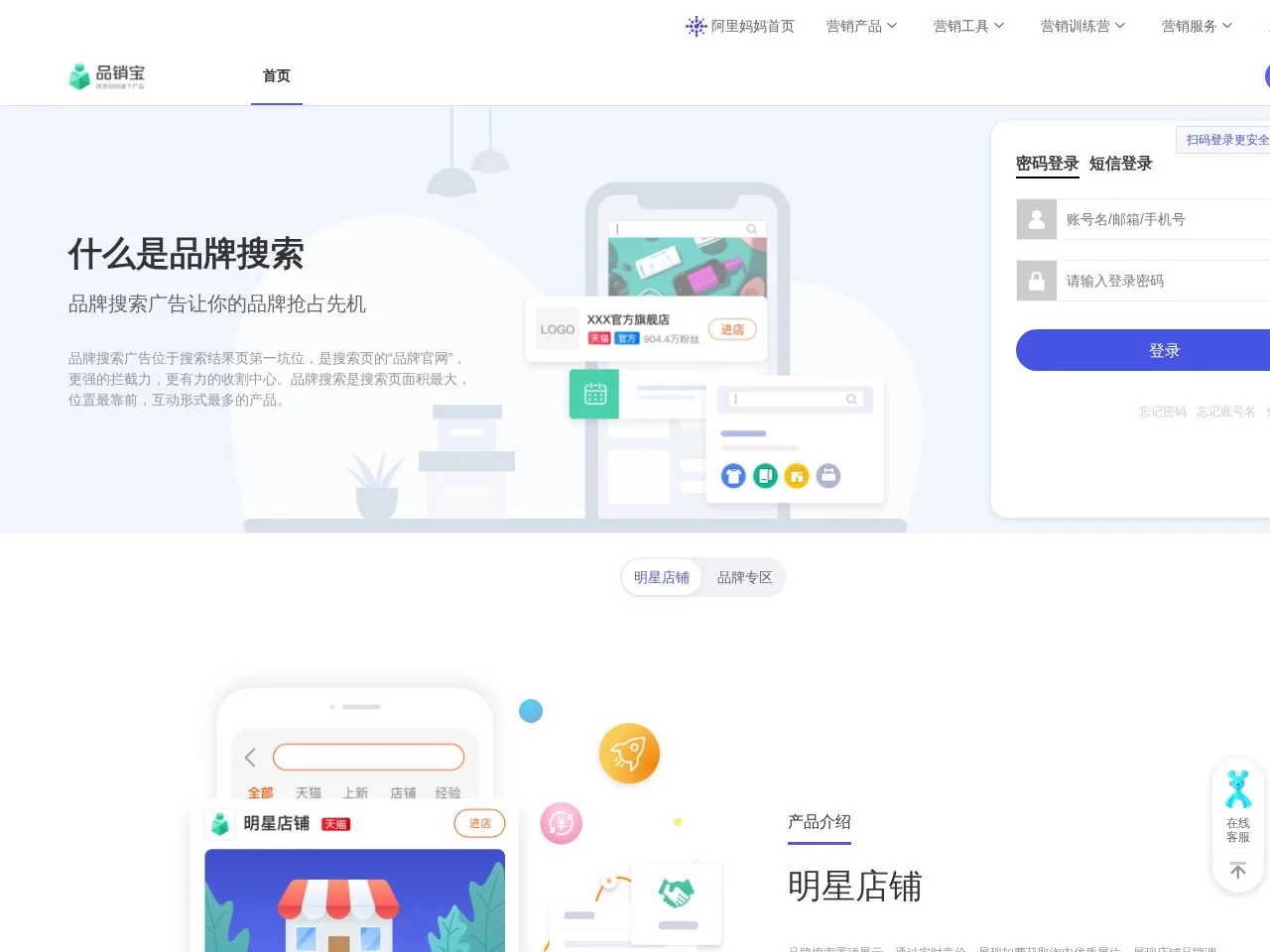
 Pinxiaobao
A practical brand marketing tool for small and medium-sized Taobao merchants
Official Website: https://branding.taobao.com/
I run a handmade home fragrance shop on Taobao. In my first two years, I only focused on Zhitongche to boost individual product sales. Sales went up, but nobody remembered my shop’s brand name — customers would search directly for the big-name competitor shops, and my customer churn rate was really high. That was when I came across Pinxiaobao.
Having actually used it, I’d say Pinxiaobao’s core advantage isn’t short-term sales boosts but the precision of its brand exposure. With other marketing tools like Zhitongche, the traffic comes from users actively searching keywords — they are all looking for specific products. Pinxiaobao, however, displays ads on the first screen of search pages on Taobao and the mobile Taobao app, and in core homepage placements, targeting users with similar consumption habits. Even if users don’t search for your brand, they can still come across your ads and gradually build brand awareness. Besides, the backend data is genuinely hassle-free: no need to compile spreadsheets yourself — you can see competitors’ brand exposure and user dwell time directly, and compare your brand data with your peers’ in one click. Many marketing tools don’t offer this.
At the time, I only used the Star Shop mode, which charges per thousand impressions. It is especially suitable for small and medium-sized merchants on tight budgets — the cost per thousand impressions is considerably lower than Zhanzhan’s, and all the traffic is on-site from users with shopping needs, without the many invalid clicks you get with Zhanzhan. I later asked Crown-level peers: Brand Zone ad slots sit at the very top of the search page, more prominent than Star Shop placements, but the requirements are stricter and the creatives need to be more refined. It suits big shops that already have some brand foundation and want to push their exposure even higher — it was too much of a stretch for my scale back then.
Compared with similar platforms, Pinxiaobao’s positioning is very clear: versus Zhitongche, Zhitongche suits short-term boosts in individual product sales, while Pinxiaobao suits long-term brand building — its users don’t arrive with a clear need to buy a specific item; more often they “see the ad, remember the brand, and think of you the next time they want to buy something similar”. Versus Zhanzhan, Zhanzhan has plenty of off-site traffic — users might see the ad in other apps — while Pinxiaobao’s traffic is entirely on-site, all from users browsing Taobao. Its conversion rate is lower than Zhitongche’s, but brand recall is high, making it suitable for small brands like mine that want to build up their own customer base, rather than shops chasing rankings through click volume.
Finally, a word on who Pinxiaobao suits: if you are a small or medium-sized merchant with decent sales who doesn’t want to rely solely on individual products for rankings and wants to gradually build your own brand; if you are a niche brand that wants to precisely reach target users without burning broad traffic; or if you are a Crown seller who wants your brand to stand out on the search page and attract more repeat customers — then Pinxiaobao will be especially useful. If you only want to boost individual product sales in the short term and pursue instant click conversions, Zhitongche is the better fit.