
DBAPPSecurity
DBAPPSecurity's official website provides high-quality practical security materials
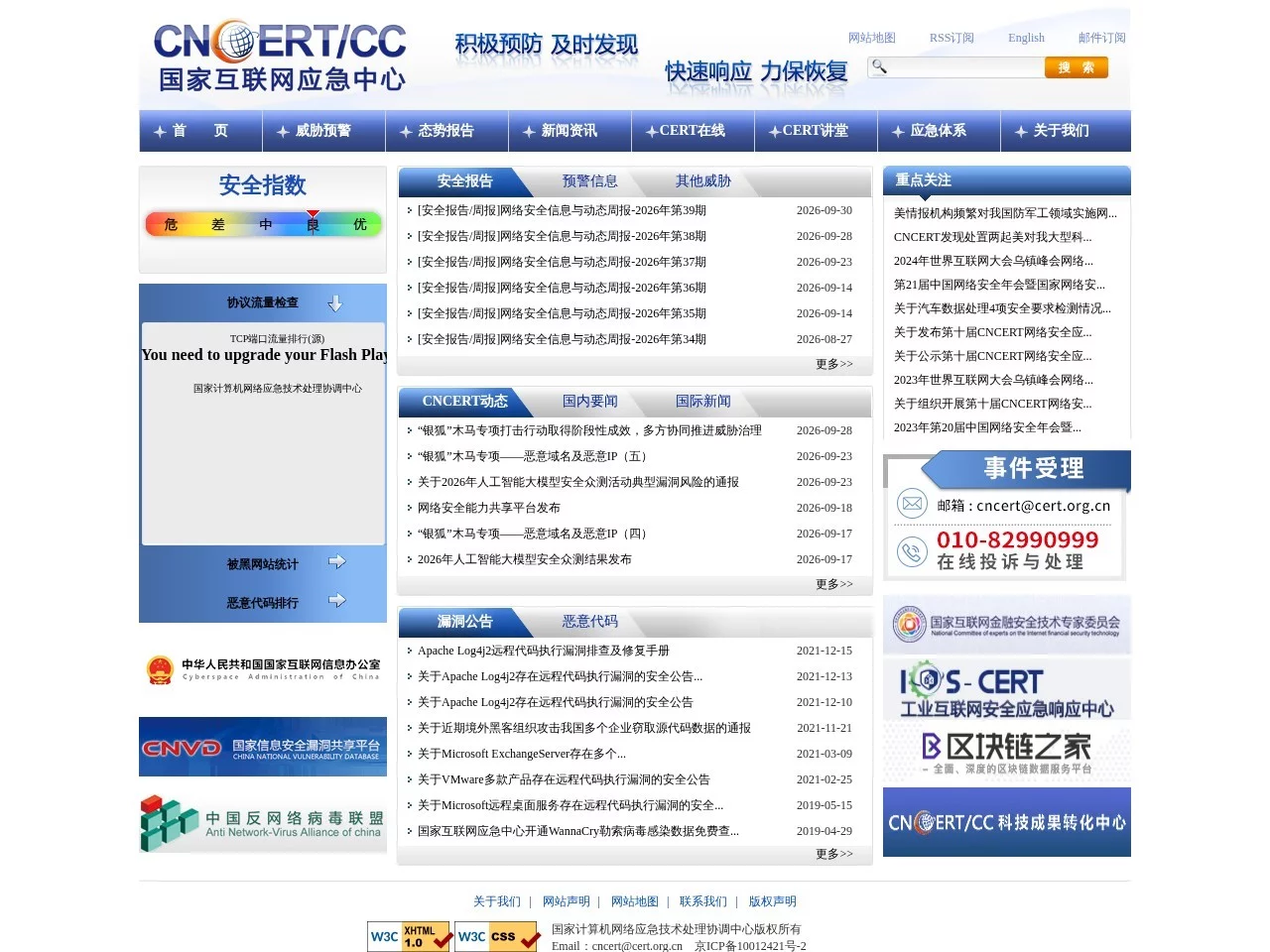
 National Internet Emergency Center
Sharing experience on using the official website of the National Internet Emergency Center
Official Website: https://www.cert.org.cn
I used to manage internal network security for a small company and encountered several tricky situations: employees’ public email accounts were repeatedly attempted to be logged in by unknown accounts, a high-risk vulnerability pop-up appeared on the server, and I wasn’t sure if it was really a threat. Another time, the company’s official website was injected with irrelevant code. After asking the service provider to handle it, I didn’t know how to report this incident to avoid future problems. At that time, I realized how important it is to find the right official cybersecurity emergency channel. After a few wrong attempts on other platforms, I figured out the practical value of this official website.
New users are most likely to fall into several misunderstandings when using this site:
The core advantage of this official website is that all its content is directly published by the official, without the watermark of third-party reposts. For example, vulnerability alerts will not take old vulnerabilities as new ones like other information platforms, nor will they exaggerate risks. The incident reporting entry is the only officially recognized formal channel, and there is a clear feedback channel after submission, so you don’t have to worry about your submission going unanswered. There are also regular industry monitoring reports, where you can see the main threat directions in current cybersecurity, such as which malicious codes have a wide spread and which industries are the key targets of attacks.
I use the Vulnerability Announcements section most often. Every time a vulnerability pops up on the server, I directly search for the corresponding system name and version on the site. I can see the impact scope of this vulnerability, risk score, and the official repair steps. I don’t have to sift through a lot of messy tutorials online. The repair suggestions are verified, so you won’t fall into patch pitfalls. When reporting an incident, fill in the affected situation, phenomenon, contact information, and packet capture logs (if available). After submission, you will receive a feedback reference number. If you need to follow up on the progress later, you can check it by entering the number, which is much more reliable than communicating with the service provider yourself.
Compared with other similar platforms, its advantages are obvious: compared with commercial security information platforms, the authority of the content here is unparalleled. Previously, I saw a “new vulnerability” on a certain security self-media, clicked in and found it was an old vulnerability, which misled me for several days. Compared with other similar emergency platforms, the reporting channel here is free, and you don’t have to pay for emergency services like commercial platforms. Moreover, it is officially endorsed, so there is no risk of data leakage. After all, when it comes to the company’s network situation, you must find a reliable official channel.
There are also several tips to avoid pitfalls when using it:
Many people are suitable for using this official website, such as network administrators of small and medium-sized enterprises, who need to monitor vulnerability alerts and report incidents when they occur; individual webmasters, who can seek help from official channels after their websites are attacked; cybersecurity practitioners, who can use it as a reference for industry data; and even teachers who teach cybersecurity in schools, who can use the official data here as cases for students. Of course, if you are just an ordinary user with no need for network management, you may not need it. But if it is related to cybersecurity, this site is definitely a reliable channel. You don’t have to worry about pitfalls, and the content is very practical.