XZ Community
XZ Community is a high-quality community that provides practical security know-how.
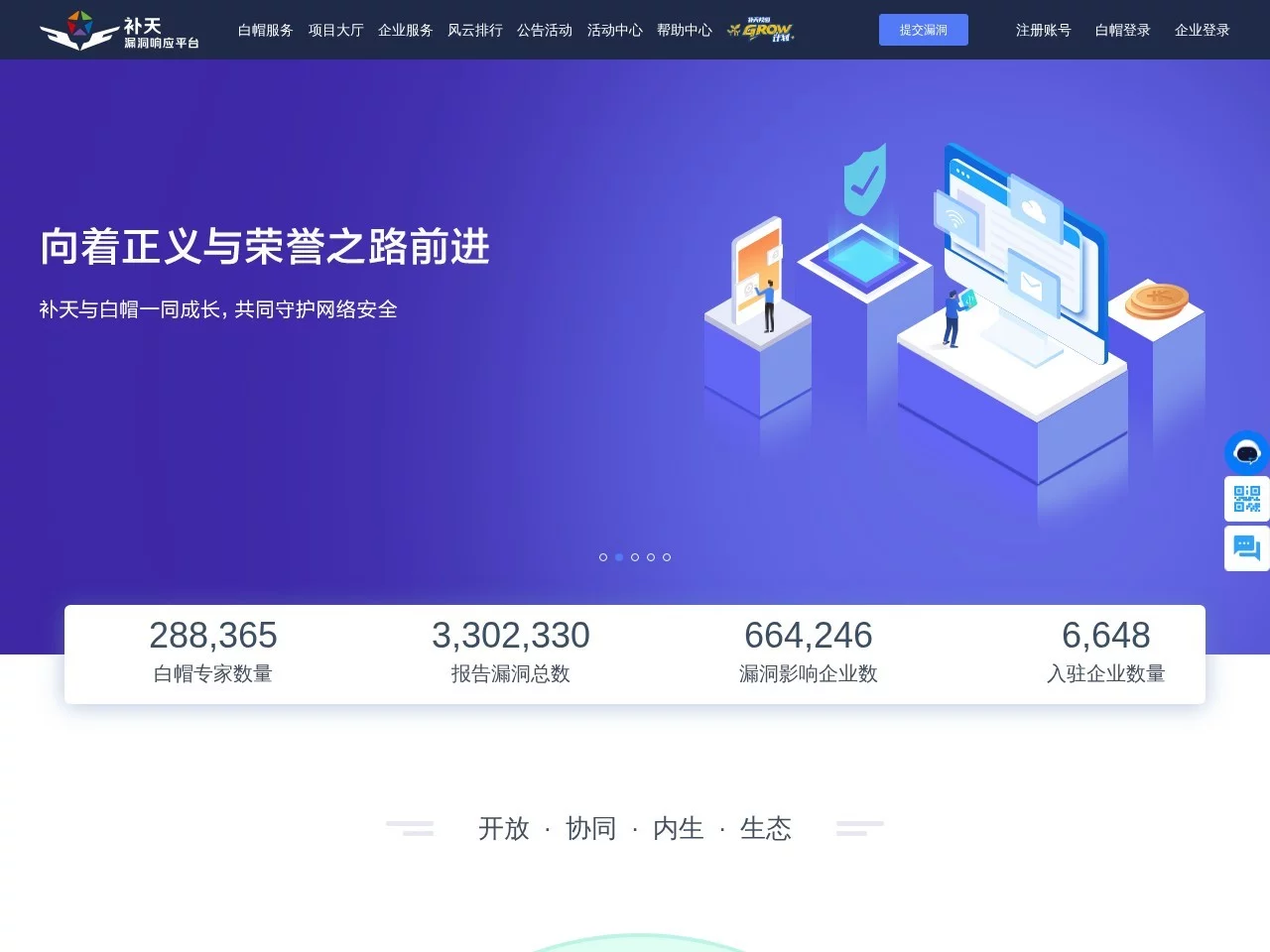
 Butian Vulnerability Response Platform
 helps security practitioners submit vulnerabilities
Official Website: https://www.butian.net
I work in security-related fields and have encountered many issues when submitting vulnerabilities: either I couldn’t find an official channel, there was no response after submission, or it was rejected due to incorrect format. Later, I came into contact with Butian and found it a practical platform.
The pitfalls that new users easily fall into when first using the platform—many people around me have experienced these:
The core practical value of Butian can be felt without reading the official introduction. The most tangible benefit is the wide coverage of connected vendors—you don’t have to search each official website for security entries individually; just enter the site domain to match the corresponding SRC, saving a lot of trouble. Additionally, the platform’s review feedback is much faster than other platforms. You can check the progress in real time after submission, so there’s no case of no response at all, which is very important for those eager to confirm the vulnerability status.
The two main sub-functions I use are vulnerability submission and SRC docking zone. On the vulnerability submission page, there’s a button for automatic vendor matching—enter the target domain and possible connected vendors will pop up, along with the vendor’s vulnerability level requirements and POC format, so new users don’t have to guess. In the SRC docking zone, each vendor’s reward rules and confidentiality requirements are clearly stated: some require reproduction screenshots, others detailed impact assessments. These details don’t need to be checked separately; you can see them directly on the platform, avoiding a lot of communication costs.
Compared to other domestic vulnerability response platforms, Butian has prominent advantages. The review efficiency is high—I submitted several high-severity vulnerabilities and received a response within a week, either confirming the vulnerability or pointing out information that needs supplementing. The rewards are also relatively transparent, with fast arrival times—no long delays. Moreover, among the connected vendors, internet enterprises account for a high proportion, making it suitable for white hat hackers conducting independent testing. Some platforms focus on collecting vulnerabilities from government or educational institutions; for enthusiasts who want to earn extra income or improve their technical skills, Butian is more suitable, allowing access to more commercial testing targets.
The tips for avoiding pitfalls on this platform are all from my own experiences or summaries from friends—note the following:
The people suitable for using this platform are also clear: first, white hat hackers who are new to the field and want an official channel to submit vulnerabilities for rewards—the platform’s beginner tutorials can help you avoid many detours; second, enterprise security personnel who want to collect vulnerabilities from external sites—the platform’s docking section can save a lot of effort; third, security testing practitioners who need a stable feedback channel—Butian’s vendor coverage and review speed can meet their needs; fourth, enthusiasts interested in security who want to participate in white hat technical activities—the platform’s special vulnerability rewards can improve their technical skills.
In addition, the platform’s beginner zone is well done—it contains submission experiences shared by senior users and POC writing tutorials. When I first started using it, I relied on these contents and avoided several pitfalls.